
Difficult-Alloy Precision CNC Machining
Thin-Wall CNC Milling (Difficult Alloys)
Thin-wall machining is where material behavior, toolpath strategy, fixturing, and inspection discipline determine whether parts meet print—or warp, chatter, or scrap. AXALLOY Precision is a Shenzhen-based CNC machining partner focused on thin-wall CNC milling for difficult-to-machine alloys, supporting international engineering, procurement, and quality teams from prototype development through repeat production.
We machine thin-wall features in nickel-based superalloys, titanium alloys, precipitation-hardening stainless steels, duplex steels, cobalt-based alloys, and selected specialty metals—especially when parts include complex contours, pockets, precision interfaces, and tight GD&T.
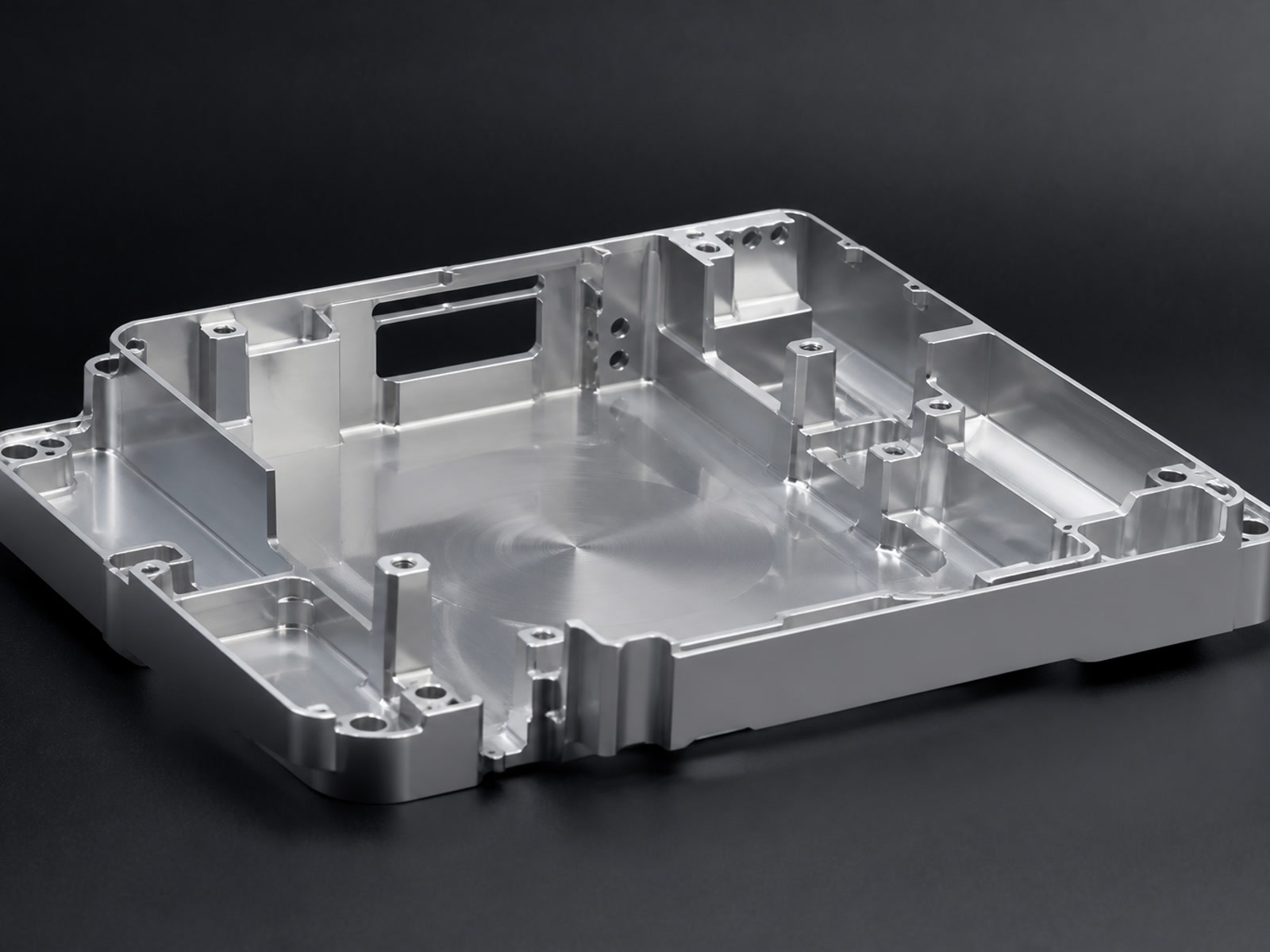
What We Machine (Thin-Wall Part Types)
Thin-wall CNC milling is common in high-performance systems where weight, thermal performance, or packaging constraints drive geometry. We frequently support:
High-Performance Industries
- › Aerospace brackets, housings, manifolds, and structural components
- › Semiconductor equipment plates, chambers, fixtures, and precision interfaces
- › Medical devices and instrument components requiring stable finishes and documentation
- › Energy / oil & gas / marine components in corrosion- and temperature-resistant alloys
- › Robotics & automation lightweight structures with tight positional relationships
Typical Thin-Wall Features
- › Thin ribs and webs
- › Deep pockets with controlled floor thickness
- › Thin flanges and walls around sealing faces
- › Precision interfaces adjacent to thin sections
- › Complex 3D contours requiring 5-axis access
Materials for Thin-Wall CNC Milling
AXALLOY specializes in thin-wall machining where heat, work hardening, and tool wear must be actively managed. Common grades include:
Nickel-Based Superalloys
Inconel 718 / 625 (and 600/601/690/706/725/X-750), Hastelloy C-276 / C-22 (also B-2, X), Monel 400 / K-500
Titanium Alloys
Grade 2 / 5 / 23 (also 9/12)
Stainless & Duplex Steels
PH stainless 17-4 PH / 15-5 PH, 316L, A286, duplex 2205, super duplex 2507
Cobalt-Based & Specialty
MP35N, cobalt chrome, Haynes 188/230/282
If your drawing specifies a specialty alloy, we review machinability and propose a controlled route before release.
Capabilities for Thin-Wall Milling
We use 3-axis, 4-axis, and 5-axis machining to reduce setups and protect thin sections by improving tool access and feature relationships.
CNC Milling Capacity (Selected)
Supporting Processes (When Thin Walls Require More Control)
Thin-wall parts often need secondary processes to meet functional surfaces or reduce risk:
- › Wire EDM / Sinker EDM for sharp internal corners, narrow slots, deep cavities
- › Precision grinding for sealing faces, bearing fits, and tight flatness/roundness
- › Heat treatment, passivation, coating, deburring, marking, cleaning, and assembly support
Typical Tolerances & Quality Targets
Thin-wall parts often combine tight size tolerances with form and position requirements. Our general capability includes:
±0.010 mm
Standard dimensional tolerance
±0.005 mm
Precision dimensional tolerance
0.010 mm
Position tolerance (down to)
0.005 mm
Flatness (down to)
0.008 mm
Concentricity (down to)
±0.002 mm
Precision grinding tolerance (where applicable)
Capability depends on geometry, material, wall thickness, and datum structure. We review prints to confirm a stable process before committing.
Engineering Approach (How We Reduce Thin-Wall Risk)
AXALLOY is a best fit when you value manufacturability feedback, process control, documentation, and dependable communication—not simply the lowest unit price. For thin-wall CNC milling programs, our workflow typically includes:
-
1
Drawing + Model Review
We evaluate thin-wall regions, datums, inspection strategy, surface requirements, and critical interfaces.
-
2
DFM and Tolerance Review
Recommendations may include datum refinement, local thickness changes, corner radius guidance, or sequencing adjustments.
-
3
Fixture Planning
Thin-wall stability depends on controlled support and clamping. We plan fixtures and setups to reduce distortion and preserve feature relationships.
-
4
Process Definition for Difficult Alloys
We account for work hardening, thermal growth, tool wear, and surface integrity—especially in Inconel and titanium.
-
5
Inspection Planning
GD&T and thin-wall deformation risk drive how and when we measure (in-process + final).
Inspection & Documentation
Thin-wall parts frequently require export-ready documentation and traceability. We support:
Inspection Capabilities
- › CMM range: 700 × 1,000 × 600 mm
- › CMM accuracy: up to 1.8 + L/300 μm
- › Optical measurement accuracy: ±0.002 mm
- › Surface roughness measurement: Ra 0.05–40 μm
- › Hardness testing: Rockwell / Brinell / Vickers
- › Temperature-controlled inspection room, calibrated equipment
- › First Article Inspection, full dimensional, in-process and final inspection available
Quality Documentation
- › Material Test Report / Mill Test Certificate
- › Certificate of Conformance
- › First Article Inspection Report (FAI)
- › Ballooned drawing + dimensional reports
- › Surface roughness report
- › Heat treatment / coating certificates
- › Material & lot traceability
- › Special process records
- › Inspection photos (upon request)
Prototype to Repeat Production
Whether you need one high-value prototype or controlled repeat builds, we support:
1
MOQ (part)
1–20
Prototype quantity
20–500
Low-volume production
500–10,000+
Batch production
10–20
Standard lead time (business days)
5–10
Prototype lead time (business days)
Expedited Service Available
Rush options for critical programs
Who This Service Is For
Best-fit customers typically include:
Engineering Teams
Needing DFM feedback and a stable route to production
Procurement Teams
Reducing supplier risk for high-value, hard-to-machine parts
Quality Teams
Requiring traceability, inspection evidence, and controlled documentation
Industries: aerospace, medical devices, semiconductor equipment, energy, oil & gas, marine, robotics, automation, and precision industrial equipment.
Not ideal for: commodity thin plates or simple parts purchased solely on lowest unit price, or projects lacking defined material/critical requirements.
RFQ Checklist (Thin-Wall CNC Milling)
For the fastest, most accurate quote, include:
- › 2D drawing (PDF) with GD&T and critical features identified
- › 3D model (STEP/STP preferred; IGES/X_T/SLDPRT accepted)
- › Material and spec (e.g., Inconel 718, Ti-6Al-4V Grade 5, 17-4 PH)
- › Quantity (prototype + forecast if available)
- › Surface finish requirements (Ra target, cosmetic zones)
- › Required certifications and inspection level (FAI, full dimensional, traceability)
- › Target delivery date and shipping destination
Supported File Formats
STEP/STP, IGES/IGS, X_T/X_B, SLDPRT, SAT, PDF, DWG, DXF (up to 500 MB per RFQ)
Request a Quote: Thin-Wall CNC Milling
Send your drawing + 3D model and tell us:
- › Alloy, quantity, and required documentation
- › Which walls/features are most critical
- › Your intended application and any functional surfaces
AXALLOY Precision will review manufacturability and propose a controlled machining and inspection plan for thin-wall components in difficult alloys.