
High-Pressure Alloy Parts
Precision Machining & Manufacturing for Critical High-Pressure Components
Precision-machined components engineered from difficult-to-machine alloys that operate under extreme pressure, temperature, and mechanical stress — with full material traceability and verified quality.
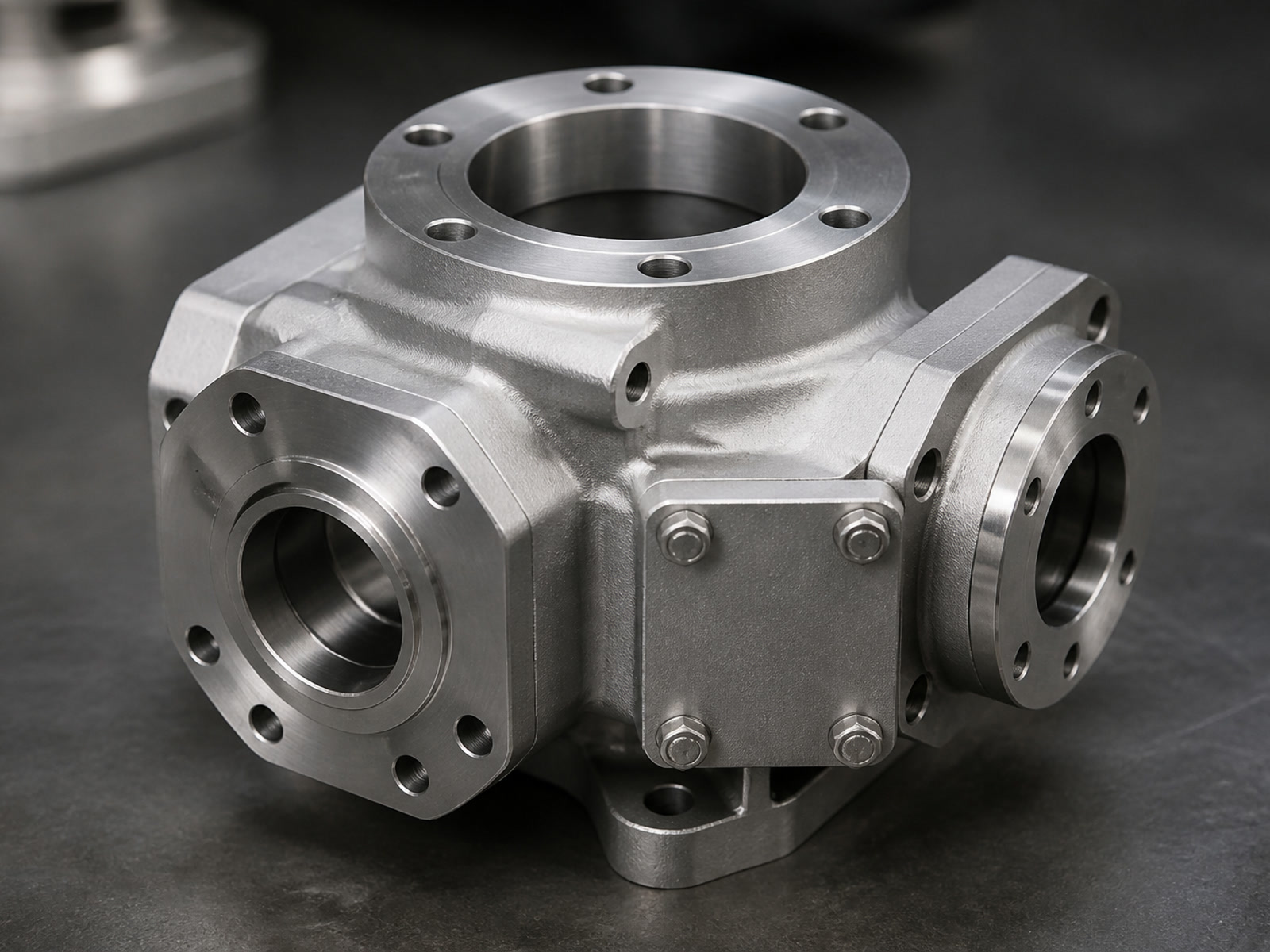
What Are High-Pressure Alloy Parts?
High-pressure alloy parts are precision-machined components manufactured from difficult-to-machine alloys that operate under extreme pressure, temperature, and mechanical stress. These parts must withstand internal or external pressures that can exceed several hundred bar or thousands of psi while maintaining tight geometric tolerances, excellent surface finishes, and full material traceability.
Typical applications include high-pressure valves, pump impellers, hydraulic fittings, pressure housings, downhole tools, high-pressure reactor components, and precision injectors — where failure is not an option.
Materials We Specialize In
We are experts in machining the most demanding alloys used in high-pressure environments:
Nickel-Based Superalloys
- Inconel 718, 625, 690, 706, 725, X-750
- Hastelloy C-276, C-22, B-2, X
Titanium Alloys
- Titanium Grade 5 (Ti-6Al-4V)
- Grade 2, Grade 9, Grade 12, Grade 23
Precipitation-Hardening Stainless Steels
- 17-4 PH, 15-5 PH
- A286, Nitronic 50/60
Cobalt-Based Alloys
- MP35N, L605
- Haynes 188, 230, 282
Other High-Performance Alloys
- Monel 400 & K-500
- Waspaloy, Nimonic, Rene alloys
- Duplex & Super Duplex (2205, 2507)
- Nitinol, molybdenum, tungsten, copper-nickel
Our High-Pressure Machining Capabilities
- Multi-axis CNC Milling: 3-axis, 4-axis, and 5-axis with maximum table load 800 kg and positioning accuracy down to ±0.005 mm
- Mill-Turn & Live-Tooling: Up to 9 controlled axes, turning + milling in one setup
- Swiss CNC Turning: Bar diameters Ø0.5–32 mm, ideal for small high-pressure fittings and pins
- Wire EDM & Sinker EDM: Precision slots, sharp corners, and blind features with Ra 0.4–0.8 µm finish
- Precision Grinding: Cylindrical, surface, and centerless — tolerances down to ±0.002 mm and Ra 0.2 µm
- Special Processes: EDM, heat treatment, passivation, coating, deburring, and assembly
Key Tolerances & Finishes
Why AXALLOY Precision Is the Right Partner
We do not supply commodity parts on lowest price. We supply reliable, traceable, and verified high-pressure alloy components for demanding industries.
Our Approach
- 1. Full evaluation of material behavior, geometry, and critical features
- 2. Controlled process development with proven machine parameters
- 3. Complete First Article Inspection (FAI) and in-process monitoring
- 4. Full material traceability (MTR, MTC, CoC)
- 5. Ballooned drawing + dimensional report + special-process records
Production Volumes We Support
- Prototype: 1–20 pcs (5–10 business days)
- Low-volume: 20–500 pcs (10–20 business days)
- Repeat & high-mix: 1–10,000+ pcs with controlled documentation
Supported Industries & Project Types
- Aerospace (high-pressure hydraulic systems)
- Medical devices (high-pressure reactors, MRI-compatible components)
- Oil & gas / Energy (downhole valves, high-pressure pumps)
- Marine & Offshore
- Semiconductor equipment & robotics
- Precision industrial equipment
Ideal Project Inputs
- Complete 2D drawings (DWG, PDF) and 3D models (STEP, IGES, SAT)
- Defined material grade(s)
- Identified critical features and functional requirements
- Expected quantities (1–10,000+ parts)
- Required documentation (FAI report, heat-treatment certificate, export packaging)
- Realistic target lead time
Request a Quote for Your High-Pressure Alloy Part
We are ready to quote your next high-pressure alloy component. Simply upload your drawing(s) and material specification via our secure RFQ system (maximum 500 MB per file).
Supported File Formats
3D CAD
STEP, STP, IGES, X_T, SAT, SLDPRT
2D
PDF, DWG, DXF
Compressed
ZIP, RAR
Maximum upload size: 500 MB per RFQ.
We respond within 24–48 hours.
AXALLOY
Shenzhen, China
Precision Machining for Difficult Alloys
We evaluate material behavior, geometry, tolerances, surface requirements, inspection strategy, and production volume before defining the machining process.